
After a piglet is weaned from the sow, the piglet enters the most sensitive phase of its life. The separation from the mother, the transition to different feed and -in many cases- a different housing and stall climate cause the necessary stress. We want to prevent the so-called "weaning dip" and achieve maximum piglet growth. BioAktiv offers the solution.
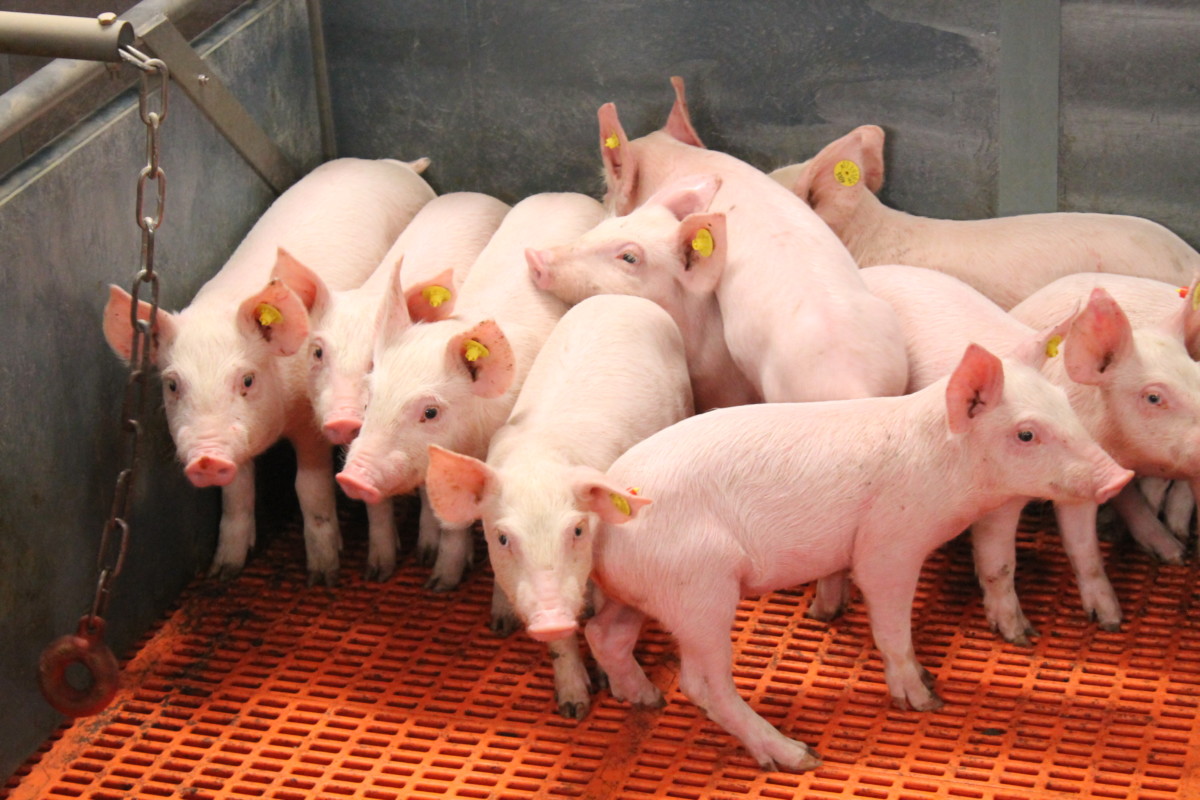
Successfully raising piglets in modern pig farming requires constant attention to various aspects of their welfare and health. One of the main challenges faced by pig farmers is the "weaning dip."
Weaning dip is a period when piglets experience a decline in growth and health after weaning. Weaning is the time when they are transferred from mother's milk to solid food. To best prevent this weaning dip, strategies such as correct feeding in the farrowing pen, attention to the first few weeks after weaning and an understanding of pig digestion are key.
A good start begins in the farrowing pen. Breast milk plays an important role in providing newborn piglets with nutrients. It is very important that piglets are given sufficient time to suckle and take in breast milk.
In addition, providing supplementary feed to pregnant sows can help optimize the nutritional status of piglets. This will make their transition to solid food easier.
The transition from breast milk to solid food is a profound event for piglets. During this phase, piglets can be vulnerable to growth retardation, loss of appetite and even disease. Or in other words, The weaning dip.
To address this challenge, it is important to use the right feeding program. A program that is tailored to the needs of the piglets. Offering feed gradually in the farrowing pen can help ease the transition to solid food.
The first weeks after weaning are of strong importance to prevent weaning dip. During this period, piglets must get used to solid food. Also, their digestion must adjust to this new source of nutrients.
It is important to provide feed that is easily digestible and rich in energy. Of course, it must also contain beneficial nutrients. Water intake is equally important to prevent dehydration and encourage feed intake.
The digestive system of piglets is still developing. As a result, it may be sensitive to abrupt changes in diet. The transition to solid feed can be facilitated. This is done by gradually adjusting feed and ensuring an optimal balance of nutrients.
Successfully overcoming weaning dip is not only related to the farrowing period. It extends to the finishing pig phase. Ensuring healthy feed intake and growth throughout the growth process is essential for profitable pig farming. Providing a balanced diet and watching the feed intake of finishing pigs can help ensure a stable growth curve without harmful setbacks.
BioaAktiv Salis-V and BioAktiv-V010. After a piglet is weaned from the sow, the piglet enters the most sensitive phase of its life. The separation from the mother, the transition to different feed and -in many cases- a different housing and stall climate cause the necessary stress. We want to prevent the so-called "weaning dip" and achieve maximum piglet growth.
To promote a piglet's growth, optimal gastrointestinal function is essential. The weaned piglet must have a vibrant intestinal flora. This is because proper digestion ensures that all essential nutrients are absorbed and the piglet remains healthy.


.png "BioAktiv-V010")
